IOWA HIGH SCHOOL ATHLETIC ASSOCIATION
Proud Title Sponsor
HomeTown Ticketing
The IHSAA now uses digital tickets for postseason events like district or substate rounds and select state championships, available online through ticketing partner HomeTown Ticketing.
Visit our Tickets pages to learn more!

UPCOMING IOWA BOYS ATHLETIC EVENTS
Find dates, times, and locations of IHSAA postseason events happening around the state of Iowa.

LATEST NEWS & ANNOUNCEMENTS
Stay up to date on press releases, award announcements, board meeting briefs, and more.

Game Changers: The IHSAA Podcast
The Iowa High School Athletic Association is excited to present Game Changers: The IHSAA Podcast...

Tennis: 2024 Postseason Assignments
Assignments for the IHSAA's 2024 tennis postseason in Class 2A and Class 1A are now available....

Golf: 2024 Spring Postseason Assignments
Sites and assignments for the 2024 spring golf postseason are now available. Sectional meets are...
ABOUT IHSAA
The Iowa High School Athletic Association is a statewide service organization for schools and communities in Iowa that promotes sportsmanship, interscholastic activity, health, and wellness through the regulation and coordination of member school activities.




Partners & Affiliates



IHSAA works with related Iowa organizations like the Iowa Girls High School Athletic Union, the Iowa High School Music Association, and the Iowa High School Speech Association to provide and enrich student activities across Iowa.
These Unified Activities organizations and our proud sponsors share a goal in supporting Iowa high school students in programs that set students up for success post-graduation.
VIEW ALL High School Boys Sports

Baseball

Basketball

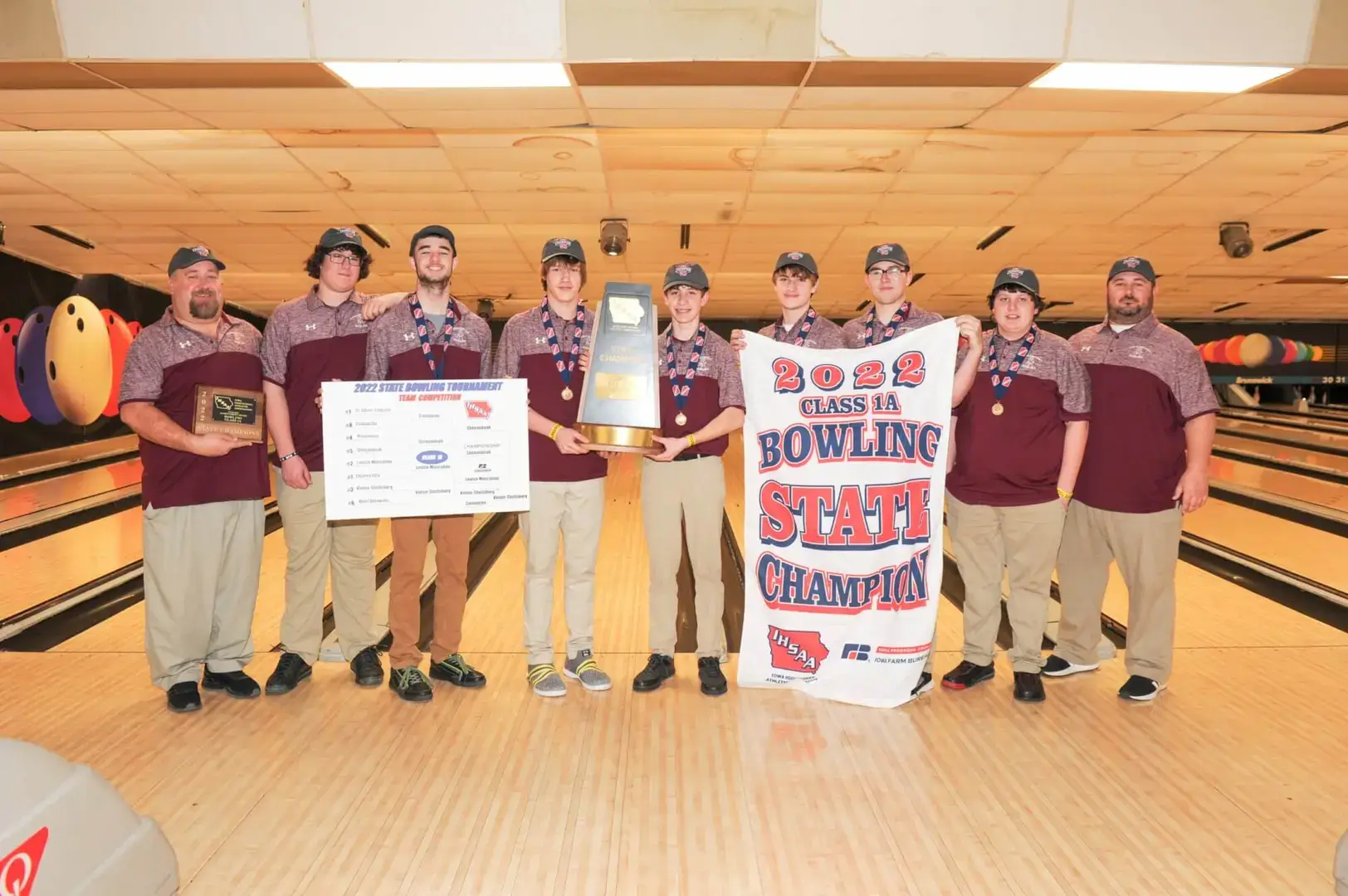
Bowling

Cross Country

Football

Golf

Soccer

Swimming

Tennis

Track & Field

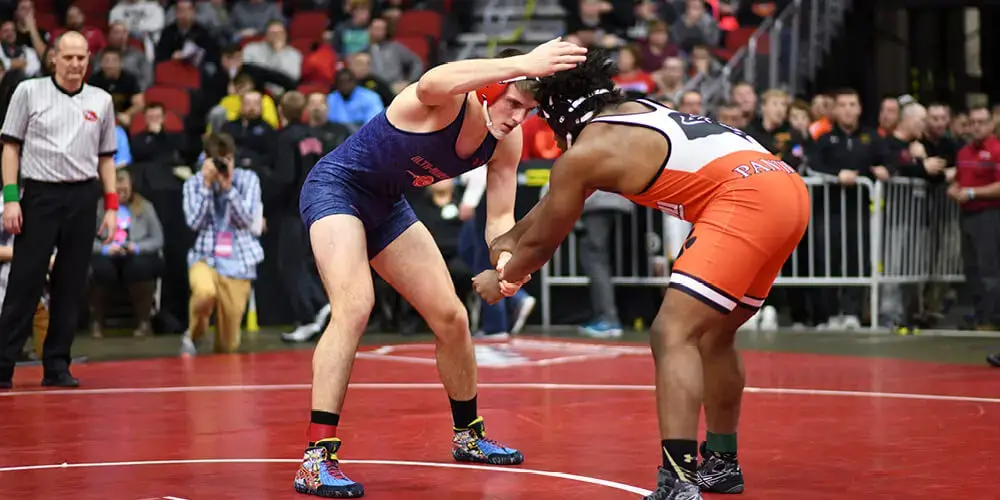
Wrestling